

How to Create a Calming Space in Your Home
Updated: May 20, 2025
'Calming' must be one of the most requested words I receive when helping clients create their new home. It's not surprising. Coming home often feels like a relief after a long day of work, shopping, or socializing. All of these activities drain our energy. Therefore, many people want their friends and loved ones to feel welcome when they visit. A calming space contributes to that welcoming atmosphere.
The Importance of a Calming Space
Creating a calming atmosphere in your home enhances your well-being. It allows you to unwind and rejuvenate. With the right design choices, you can foster a tranquil environment. Below are some tips for achieving this desired experience in interior design.
Contrast Matters
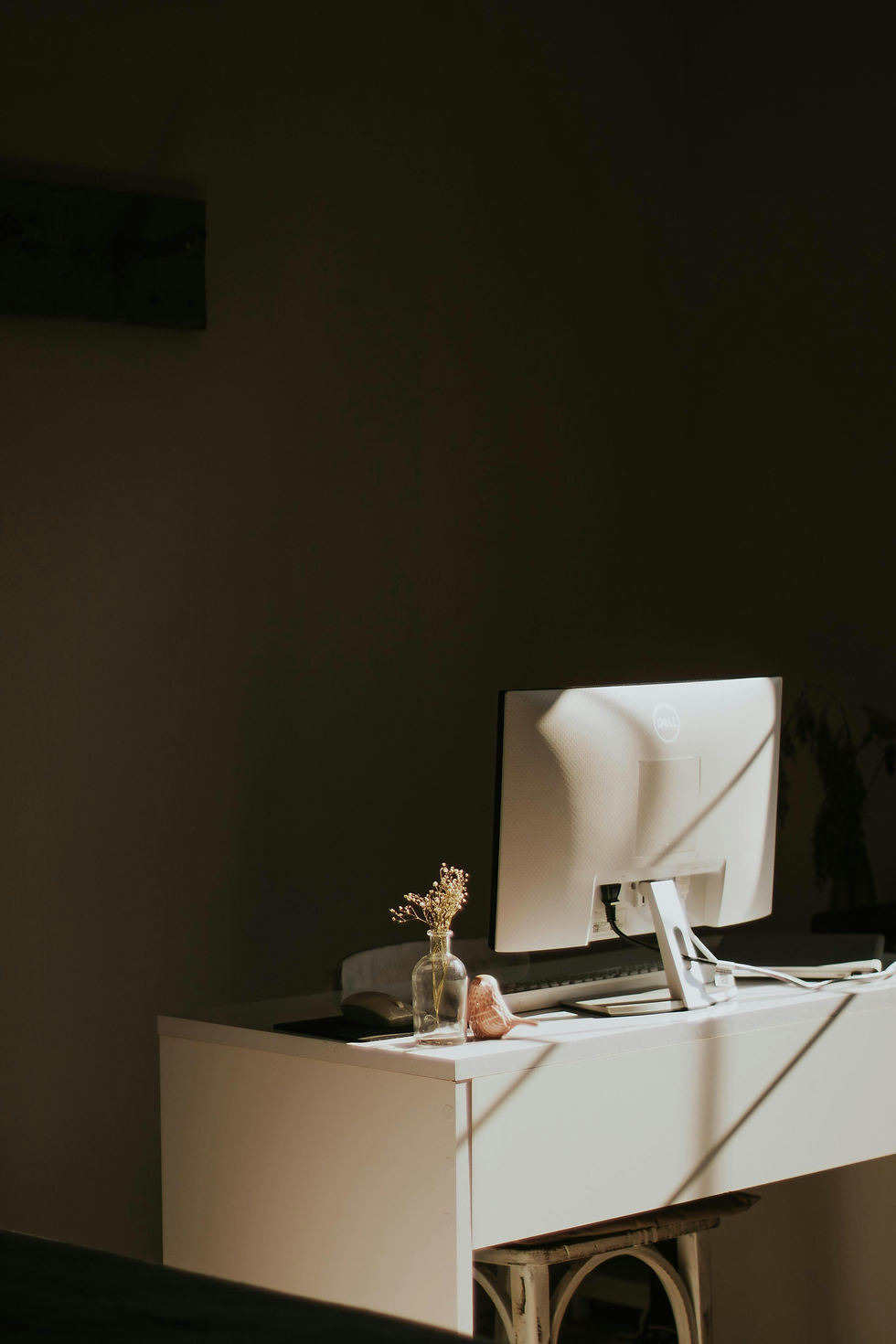
Low contrast or low-impact contrast is calming. This is because it's less stimulating. For example, if the image below featured a black vase holding those dried flowers, it would catch your eye immediately. In contrast, the current image allows you to gently look at each element, making it more relaxing for the eyes.

Earth, Water & Sky
Earthly colors such as greys, whites, blues, and greens are saturated in nature. We are accustomed to these colors surrounding us in large volumes. Bright colors in nature, like sunsets and flowers, are fleeting and can be very stimulating. By replicating the natural environment's color scheme, you'll ease your nervous system. This approach is a prominent choice in biophilic design, which incorporates nature in architecture and interiors.
Sound Down for Serenity
Sound is another factor that can be stimulating and stressful. Keeping the noise levels down at home is one of the most effective ways to create a calming atmosphere. There are various ways to reduce sound pollution. For instance, you can plant a hedge between your home and the road. The more foliage there is, the more muted the sounds will be.
Additionally, introducing soft furnishings like rugs, textured art, and upholstery can help absorb sound. These elements are particularly beneficial in echoey rooms. To learn more about managing sound in your space, check out my other blog post on SOUND CLUTTER AND FINDING QUIET.
Embrace Softness
Think of softness when designing your calming space. Use soft fabrics, luxurious curtains, curved edges, and gentle patterns. In Feng Shui, these elements align with the ‘yin’ energy in the ‘yang-yin’ cycle. They encourage slow movement, which is perfect for relaxing areas like the living room and bedroom.
However, if motivation is your challenge, consider having a more dynamic space. A little friction can help inspire energy. It’s essential to remember that everyone is unique and requires different forms of support based on their strengths and weaknesses. Your home should be tailored to suit your individual needs.
Exploring Color Choices
If you love color, don’t feel restricted to landscapes to create a calming space. Shades like lilac and lavender offer a soft, feminine touch that is inherently calming. Remember, light doesn't exclusively mean calming, as darker spaces can also be tranquil.
For instance, a rich berry red on the walls with low lighting can encourage relaxation. While darker colors may evoke a more masculine feel, they can still maintain low contrast and a soothing atmosphere.

Conclusion: Design Your Sanctuary
I encourage my clients to create spatial variation in their homes. This acknowledges that different spaces serve various activities, contributing to the richness of life. Even subtle changes in mood as you enter a room make a significant difference.
Take a moment to reflect on how your home makes you feel. What could you do to enhance its calming energy? I hope these tips empower you to create a sanctuary for your family, friends, and yourself.
Have a fabulous day designing your life! x
Images from Pinterest


Comments