

ALL OF THE LIGHTS
Lets talk of an overwhelmingly underrated element of interior design especially in New Zealand, lighting. Let's cover the basics.

Offcut wall sconce - Nightworks Studio
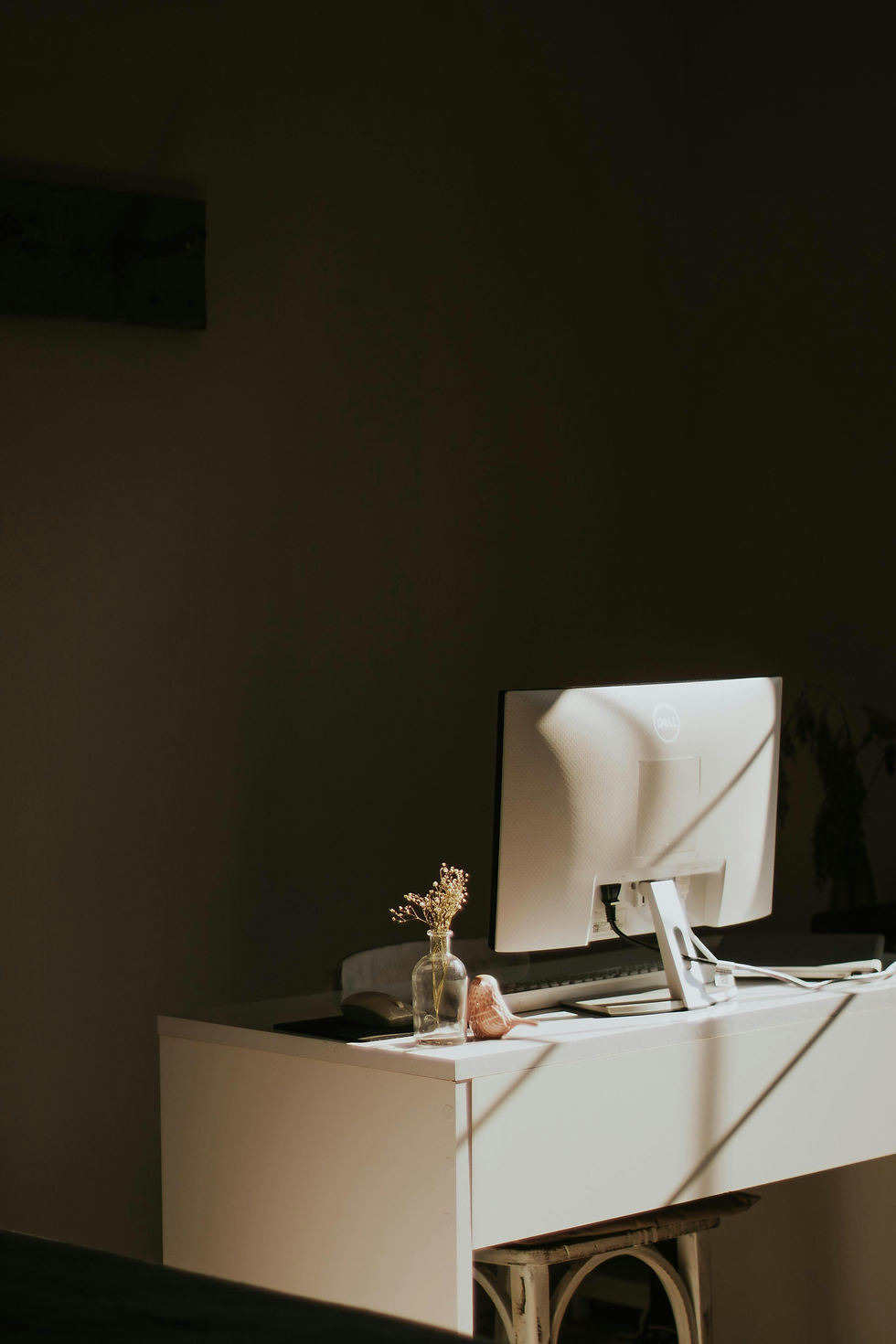
First up is your natural light source, the sun. How does it travel around your home in all seasons? This is my first question when selecting any finish and when the sun goes down, the lighting plan comes into play.
When building a new house, likely (not always) the architect will provide a lighting plan which will involve LED downlights throughout the home.
This is the best time to consider all lighting options so that any extras can be included in your electrical quote and be considered by the builder to ensure lighting is catered for in the frame work of the home.
When completing a renovation, a lighting plan allows the same sort of thing, accurate quoting, smoother process.
DOWNLIGHTS
These are the most used form of lighting in New Zealand homes. They are sleek, affordable, dimmable and power saving.
Here are some options and some pointers.
Recessed - downlights that are installed into the ceiling and sit flush with the ceilings surface.
Pro: Wide angle with good coverage, clean and practical.
Con: More expensive to install, quality of the light really matters - cheap will cost in other ways.
Ceiling mounted - lights are mounted on to the ceiling
Pro: Space saving for low ceilings, sleek and practical with less installation efforts.
Con: Issues may mean needing to replace the whole light - not just the bulb which can be tricky to match later on.
Recommendation - Recessed with a black interior surround.
Recessed lights sit flush with the ceiling which gives a clean aesthetic but can also cause glare. Selecting a recessed lED with a black interior surround will absorb that glare whilst giving you all the benefits of a downlight.

Now that you have your downlight plan organised, lets talk about other lighting possibilities, lighting is an interior design secret to an elevated space.
Here are some ways to achieve light layering.
LED STRIP
LED strips are endlessly creative, they can be applied in cabinetry, wardrobes, kitchens and ceilings and provide a sleek lineal look that helps light spaces that need it.
SCONCE
Or wall lights, have many directions they can operate for different reasons, they can be as functional as an uplight that lights up a ceiling or as beautiful as an art piece that creates ambience and works as a statement.
LAMPS
Do not underestimate the difference lamps can make. Our homes are spaces for living, not performing surgery. Lamps are creative, sculptural, have the integrity of a beautiful furniture piece. Better yet put a few on and feel how fancy the home suddenly feels.

Pendant lights from Vintage Industries in New Plymouth, NZ
STATEMENT PENDANTS
Pendants create visual layering in areas that can often be quite empty, they can take up space by volume or quantity, add colour and interest and can soften squared off architectural shapes. You don't need to choose the pendant upfront, but knowing there is a space for a pendant to be selected will allow your electrician and builder to plan wiring and framework accordingly.
Hopefully this has kicked off some inspiration and thought, about how lighting might play a part in your next project. Think about it early on and you'll see the lighting is not a conversation worth skipping.
Have a fabulous day designing your life x
Lauren Shiels - The Healing Spaces Project
P.S I write all my own blogs, I refuse to use AI as tempting as it can be sometimes. It may not be perfectly worded or optimised but thank you for being here and keeping hand writing (or typing) alive and well x


Comments